

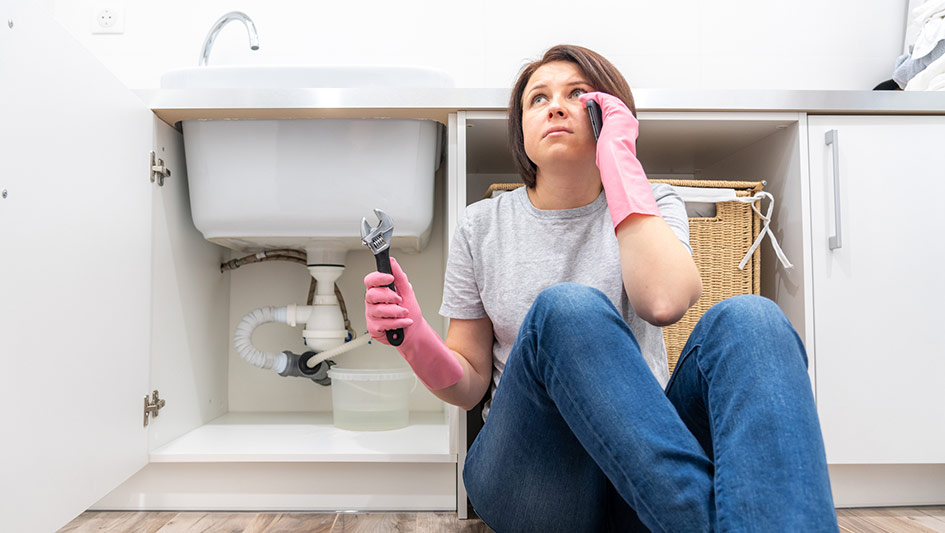
stopped up kitchen, bathroom and shower drains are dailyfrustrations. Many people turn to chemical drain cleaners because they promise to clear the problem fast. But before you put that solution down the pipe, it's worth understanding the chemical drain cleaner
problems and looking at safer better, permanent methods.
What Are Chemical Drain Cleaners?
Chemical drain cleaners come in caustic, oxidizing and acidic forms. These solutions dissolve clogs by creating heat or dissolving organic matter debris. You can easily purchase name brands like Drano at your local grocery or hardware store, but it's worth asking–is Drano bad for pipes? The answer depends on much you use it and what state your pipes are in.
regular use of chemical solutions can worsen deterioration on older plumbing, especially metal pipes, which are vulnerable to damage. Even newer systems aren't immune– regular exposure to caustic chemicals may compromise joints, damage seals and reduce the longevity of your plumbing. Many experts caution against relying on chemical drain cleaners as a routine solution. Instead, they prefer safer alternatives that resolve clogs without leading to long‑term damage to your pipes.
The Hidden Risks of Chemical Cleaners
Health concerns are an apparent liquid drain cleaner danger. These products often include highly caustic ingredients that will produce severe serious burns if you get them on your skin. They also release fumes that can affect your eyes, nose and lungs, causing risky conditions for you and anyone nearby. For households with children or pets, even a small spill or accidental exposure can lead to major medical emergencies, making chemical drain cleaners a risky option.
The long‑term outcomes of using chemical drain cleaners often outweigh the short‑term convenience. While chemicals may briefly remove a clog, they can also harm your plumbing. Older pipes are especially prone, since corrosion accelerates wear and tear, leading to leaks or even complete breakdown.
What may seem like a straightforward household fix can also have significant environmental consequences. If you have a septic system, chemical drain cleaners can disrupt the fragile balance of bacteria needed to break down waste, reducing efficiency and resulting in substantial damage. If these chemicals reach the water supply, they contribute to worsen pollution that affects ecosystems and public health.
The Hidden Issues Behind Quick Fixes
While chemical drain cleaners may briefly resolve minor blockages, they often fall short when dealing with chronic drain clogs. For example, a hair clog in a shower drain may seem to dissolve temporarily, only to return weeks later because the cleaner didn't completely remove the buildup. Over time, regular use of chemicals can disguise the problem without ever fixing it, leaving you annoyed with the same problematic sink or shower.
A common misconception is that chemical drain cleaners are harmless on plumbing. However, they aren't septic-safe drain cleaners. The aggressive ingredients can disturb the natural bacterial balance inside a septic tank, reducing its ability to break down waste and potentially creating costly repairs. For households that depend on septic systems, chemical solutions are a poor a terrible choice compared to enzyme-based or mechanical alternatives.
There's no substitute for a professional plumbing examination if you have recurring clogs or other major problems. In these cases, adding more chemicals down the drain will only prolong the inevitable. Call a licensed plumber to diagnose the true cause, whether it's tree root intrusion, cracked or corroded pipes or years of buildup calling for specialized tools like hydro-jetting. Once they identify the problem, experienced professionals can fix it safely and effectively without using toxic chemicals.
Safer Substitutes for Homeowners
Many substitutes for chemical drain cleaners maintain plumbing systems instead of harming them. Together, these safer options safely manage clogs while keeping a healthier environment inside and outside your home.
Chemical-free drain cleaning is one of the most basic solutions. You can use cheap pantry staples like baking soda and vinegar to create a fizzy reaction that loosens deposits inside pipes. Clear with hot water afterward to flush out residual buildup. This green approach can quickly solve simple issues such as a slow-draining sink.
Another option is enzyme-based drain cleaners, which utilize natural substances materials to break down decompose organic matter such as hair and food particles. Unlike harsh aggressive chemical products, these biodegradable cleaners are gentle safe on pipes and safe for skin and septic systems. They work slowly, but their success in maintaining healthy drains makes them a smart wise, preventive proactive choice.
Mechanical drain cleaning methods approaches are often the most reliable effective for major clogs. Tools like plungers and drain snakes physically eliminate blockages, and you can use them as often as you need to without fearing causing more problems.
When Should You Call a Professional?
Many homeowners ignore warning signs like backed-up drains or sewer smells until water has nowhere else to go and begins backing up into the house. The resulting damage is typically pricey, and your homeowners' insurance may not fully cover the restoration. Don't wait until it's too late. If you notice any of these issues, it's time to search for a licensed plumber near you.
Plumbers have equipment you don't. Licensed professionals use inspection cameras to inspect drains and uncover unseen issues before it escalates. This early detection and remediation can save you significant money and stress in the long run. A properly maintained drain system prevents problems, protects your property and keeps your home hygienic.
Stop the Damage and Protect Your Pipes With Better Choices
Chemical drain cleaners may promise fast solutions, but these products can create more complications than they solve. Choose safer alternatives to protect your drainage system, your family and the environment.
Natural drain cleaning methods, natural enzymes and professional services such as drain snaking and hydro-jetting are the best ways to clear recurring drain clogs without risking damage. Skilled professionals also provide emergency drain cleaning and useful prevention strategies to prevent future issues. Switching to eco-friendly options is an investment in the long-term health of your home and plumbing.